Back to Blog
Dervish Attire

What Do the Dervishes' Attires Symbolize?

One of the most striking aspects of the Whirling Dervishes is their distinctive attire, which is rich in symbolism. Each piece of their clothing tells part of the spiritual story embodied in the Sema.

By Mevlevi Guide
January 5, 2025
4 min read

The sikke, the tall felt hat, represents the tombstone of the ego. It signifies that the dervish has overcome his ego and is spiritually reborn.
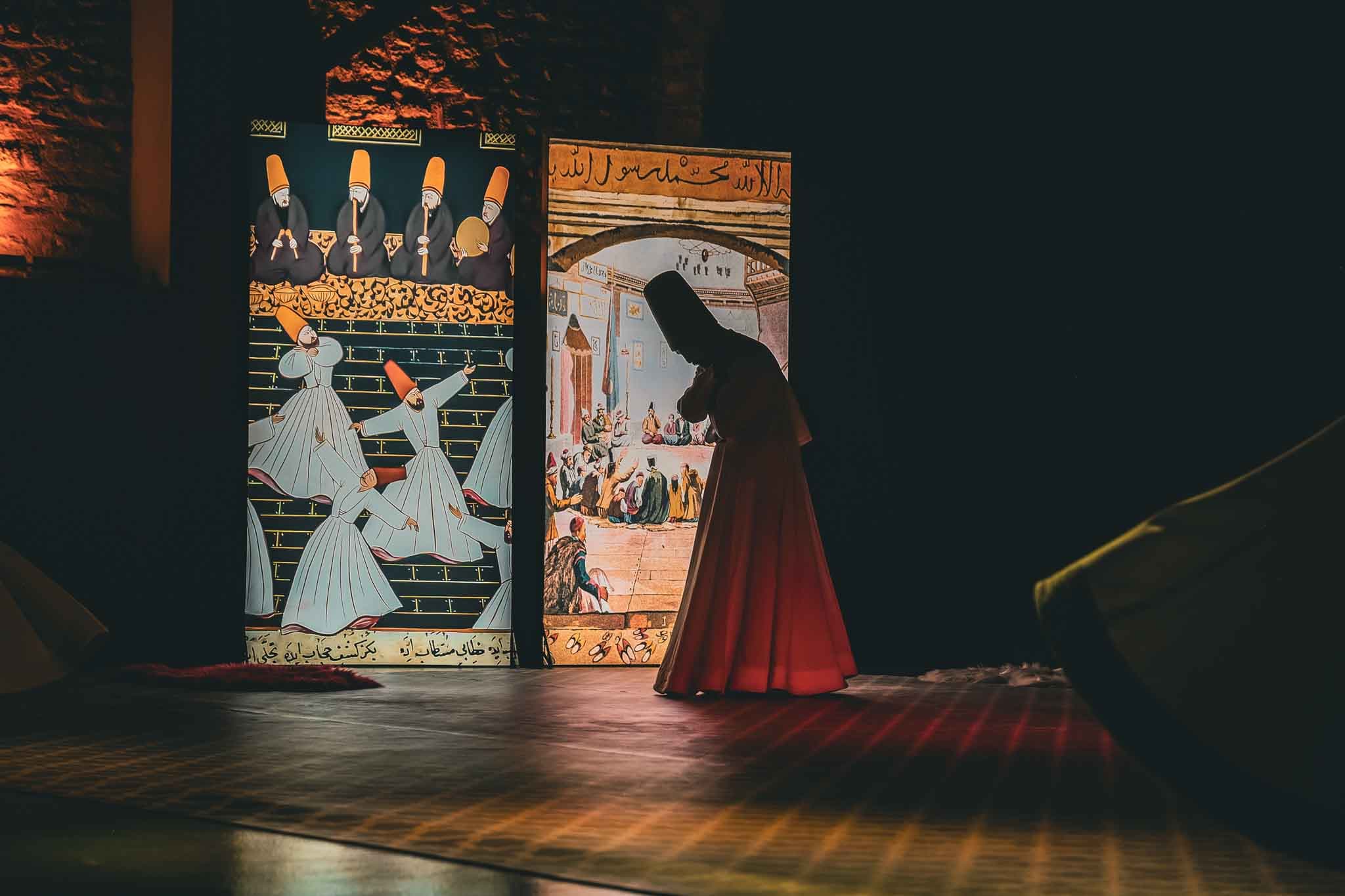
Dervish attire symbolism - The sikke (tall hat) representing the tombstone of the ego in Whirling Dervish ceremony

The black cloak (hırka): Symbolizes the grave or the death of the self. At the beginning of the ceremony, the dervishes wear the cloak but remove it before they begin to whirl, representing their departure from the material world and the ego.
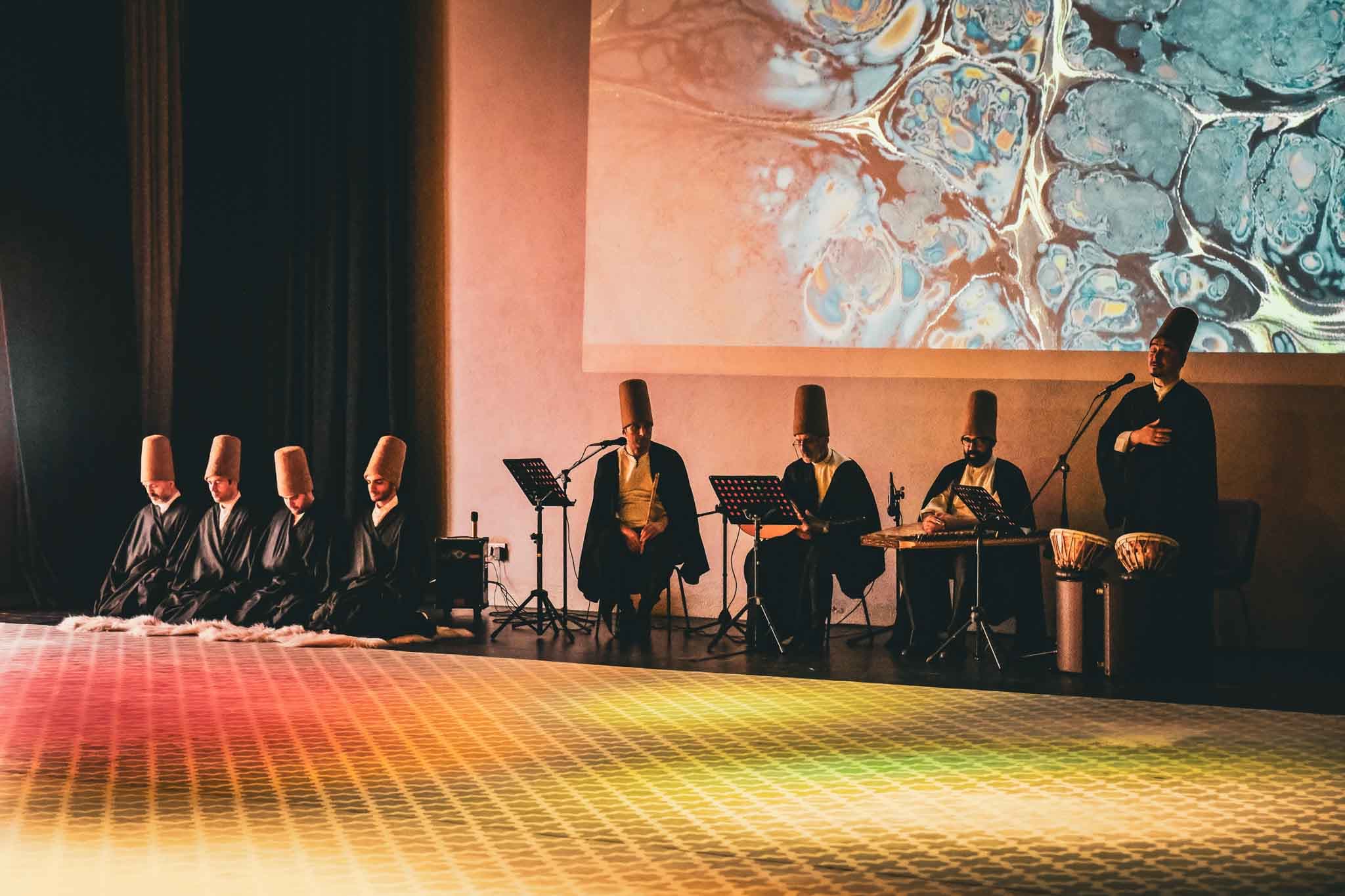
Black cloak removal - Dervishes removing the hırka before whirling, symbolizing spiritual rebirth

The white gown (tennure): Resembles a shroud, symbolizing purity and the dervish's spiritual rebirth.
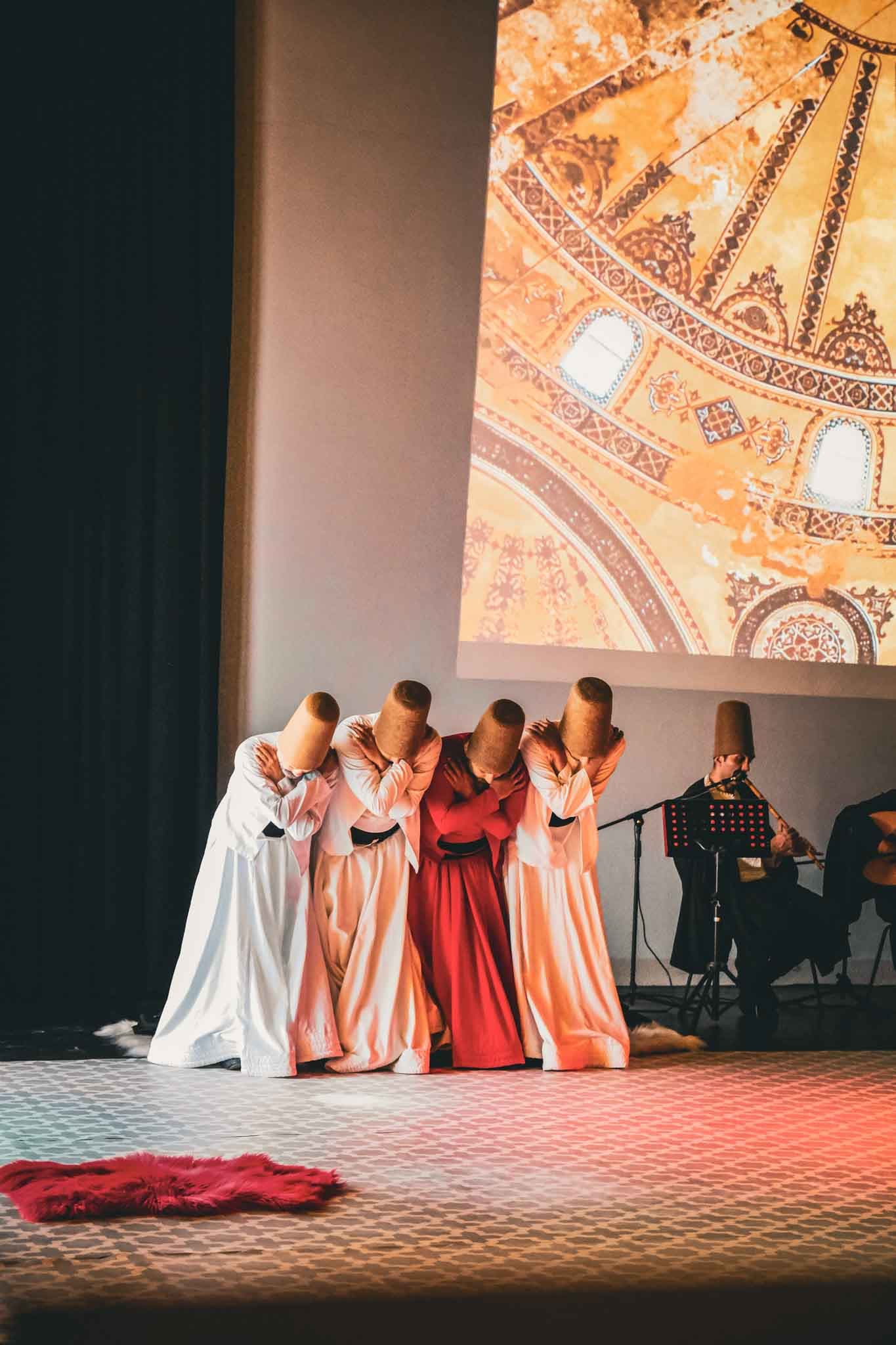
White gown (tennure) - Dervishes in white robes performing the Sema ritual, symbolizing purity and spiritual transformation

As the dervishes whirl, they embody these symbols — leaving behind worldly attachments, purifying their souls, and striving to unite with the Divine. The attire is not merely traditional; it is a visual narrative of the Sufi path: the death of the self, the purification of the heart, and the rebirth of the spirit.

By Mevlevi Guide

Cultural Heritage Team

Back to All Articles